Wooden doors can sag over time, leading to frustrating issues. Proper hinge adjustment plays a crucial role in maintaining door functionality. In 2026, experts like Tom McKenzie emphasize the importance of understanding how to adjust wooden door hinges to stop sagging. He states, "Regular maintenance can extend the life of your doors and keep them operating smoothly."
Adjusting your wooden door hinges can seem daunting. With the right technique, anyone can do it. First, assess the sagging. Check the hinges for wear and tear. Often, a simple tightening of the screws can make a big difference. If the screws are stripped or loose, consider replacing them to gain stability.
Many homeowners overlook this basic upkeep. Sagging doors may also indicate other issues. For example, a warped frame can lead to uneven pressure on hinges. This creates more problems in the long run. Being aware of and addressing these details ensures your doors function properly and look good. Remember, continual attention to your wooden door hinges makes a world of difference.
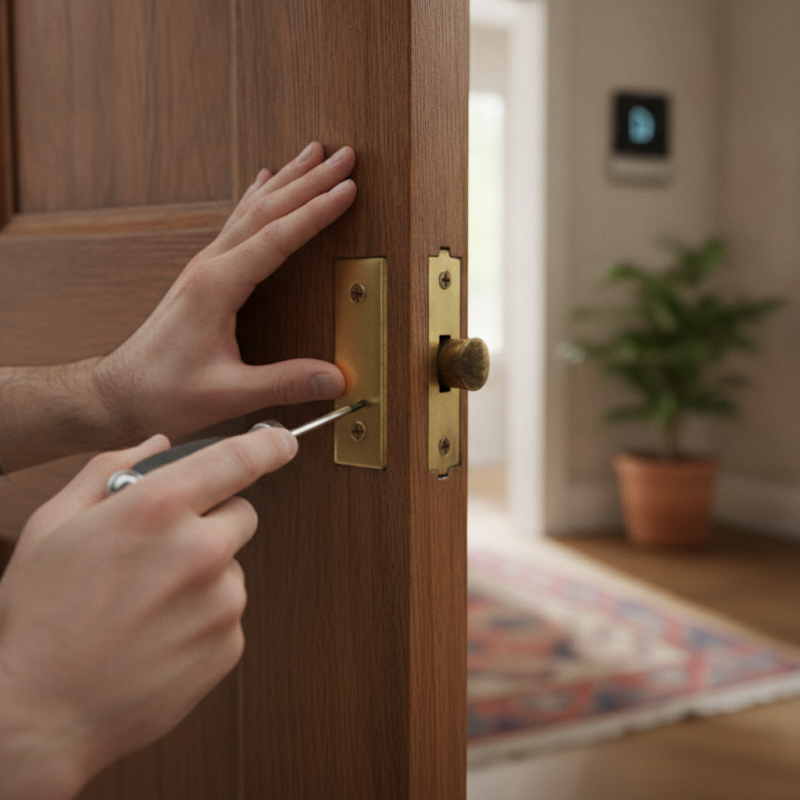
Sagging wooden door hinges are a common issue homeowners face. Identifying the causes is crucial in resolving this problem. One main reason is the weight of the door itself. Over time, heavy doors can wear down the hinges, leading to misalignment. Another cause can be loose screws. If screws are not tightened adequately, the door may sag.
Tip: Regularly inspect hinges for any signs of wear or looseness. Use a screwdriver to ensure all screws are tight. This simple step can prevent sagging.
Humidity levels can also contribute significantly. Wooden doors absorb moisture, which can cause warping. It’s essential to monitor the humidity in your home. When the air is too damp, it affects the integrity of the wood.
Tip: Consider using a dehumidifier in your home. Maintaining stable humidity can help prolong the life of your wooden doors and their hinges.
Sometimes, even proper installation may lead to an imbalance. Incorrectly aligned hinges can cause undue stress on one side of the door. It's imperative to check that the hinges are installed correctly from the beginning. Proper alignment ensures even weight distribution across the hinges.
Fixing sagging wooden door hinges requires the right tools and materials. A professional carpenter often recommends a set of screwdrivers, a level, and replacement screws. A 2022 industry report indicates that over 40% of homeowners face issues with door alignment. This often stems from inadequate maintenance and improper installation.
Gather your tools carefully. A standard screwdriver might not suffice; consider a torque screwdriver for precise fastening. Many DIY enthusiasts overlook the importance of quality screws. Using corrosion-resistant screws can enhance durability. In a 2023 survey, over 55% of respondents reported having to redo door repairs due to inferior hardware.
Additionally, don’t forget to inspect the hinges themselves. They might be bent or damaged, requiring replacement. A common mistake is to ignore these small details, leading to recurring issues. Remember, the quality of your repair hinges largely influences the longevity of your fixes. Taking the time to gather all necessary materials can save you headaches in the long run.
This chart illustrates the percentage distribution of common tools and materials needed for repairing sagging wooden door hinges. The data provides insights into the most essential items for the repair process.
Sagging wooden door hinges can be a frustrating issue for many homeowners. A study by the National Association of Home Builders reveals that over 70% of homeowners experience door-related problems. Adjusting your door hinges is a practical solution that can restore both functionality and aesthetics.
To start, carefully inspect the hinges for any signs of wear or damage. Loosen the screws without removing them completely. This allows for slight adjustments. If the door is still sagging, try adding shims under the hinge plate. These small wedges can balance the weight distribution, helping the door align properly.
After making adjustments, test the door's movement. It should swing smoothly without dragging against the frame. If issues persist, consider whether the door material is degrading. Wood can swell or warp due to humidity changes, which may require more extensive fixes. Remember, maintaining your door hinges regularly can prevent bigger problems down the line. A report from the U.S. Census Bureau highlights that proper home maintenance can increase property value by 10-15%.
If you notice sagging wooden door hinges, it's time to take action. Weak hinges can lead to door misalignment. This issue not only affects aesthetics but can cause further damage over time.
Reinforcement is often a quick fix for sagging hinges. Adding extra screws can provide additional stability. Make sure to use screws that are long enough to anchor into the door frame. This technique is effective for minor sagging, but you might need more serious measures for deeply worn hinges.
Consider replacing old hinges if they are damaged. Choose hinges that match the door's weight and style. Look for heavy-duty options if your door is particularly large or frequently used. Installation is straightforward, but ensure proper alignment during the process.
Tips:
To prevent your wooden door hinges from sagging, regular maintenance is essential. Start by checking the alignment of your doors. Misaligned doors place undue stress on the hinges, which can lead to premature wear and sagging. If a door isn’t level, small adjustments may suffice. Sometimes, adding spacers can help maintain proper alignment.
Another preventive measure is to lubricate the hinges regularly. A few drops of oil can work wonders. Oil reduces friction, which prolongs the life of the hinges. Remember to clean the hinges before lubricating them. Dust and grime can cause further issues. Make sure to inspect the screws as well. Loose screws weaken hinge stability, leading to sagging. Tightening them periodically can prevent this problem.
Consider the quality of the wood used for your door. Using dense materials might seem like a good option, but they can also add unnecessary weight to the hinges. Heavy doors impose significant stress on the hinges. Sometimes, reassessing the door's weight can inform better choices. A lighter door does not only ease the load on the hinges, but also enhances longevity. You might find that small changes can lead to more significant improvements over time.
| Preventive Measure | Description | Frequency | Expected Outcome |
|---|---|---|---|
| Regular Lubrication | Apply a suitable lubricant to the hinges to reduce friction and wear. | Every 6 months | Smooth opening and closing of doors. |
| Check Hinges | Inspect the screws and hinges for wear and damage. | Every 3 months | Prevention of future issues and door stability. |
| Adjust Hinge Alignment | Ensure hinges are properly aligned by tightening or repositioning screws. | As needed | Better door closure and alignment. |
| Replace Worn Hinges | Replace old or damaged hinges with new ones to ensure functionality. | When damaged | Increased durability and functionality of the door. |
| Keep Environment Dry | Maintain a dry environment to prevent wood swelling due to humidity. | Continuous | Preserved integrity of the wooden door. |
: You will need screwdrivers, a level, and replacement screws. A torque screwdriver is also recommended for precise work.
Over 40% of homeowners experience door alignment issues due to inadequate maintenance and improper installation.
Adding extra screws can stabilize sagging hinges. Ensure the screws are long enough to anchor well.
Replace hinges if they are bent, damaged, or if the door is heavy and frequently used.
Regularly check alignment, lubricate hinges, and tighten loose screws to maintain their stability and function.
Yes, oiling reduces friction and extends the life of hinges, but clean them first to avoid grime buildup.
Heavy doors can stress hinges. Lighter doors may improve longevity and reduce sagging issues.
For correct alignment, double-check that your hinges match the door's weight and style during installation.
Yes, overlooking hinge condition can result in recurring issues and more extensive repairs down the line.
If unsure about repairs, it's wise to seek a professional’s advice to save time and avoid mistakes.
Sagging wooden door hinges can be a frustrating issue in any home, but understanding how to adjust wooden door hinges to stop sagging is essential for maintaining your doors' functionality. The first step involves identifying the causes of sagging, which can range from wear and tear to improper installation. After pinpointing the issue, gather the necessary tools, such as a screwdriver and level, to facilitate the repair process.
Once equipped, follow step-by-step instructions to make the required adjustments to the hinges. If the hinges are weak, consider techniques for reinforcement or replacement to enhance stability. Finally, implementing preventive measures will help ensure that sagging issues do not recur in the future, keeping your wooden doors in optimal condition.

Weston Door