As the summer heat sets in, many homeowners find themselves puzzled by a common issue: "Why is my wooden door swelling in summer?" According to John Smith, a master carpenter with over 20 years of experience, “Humidity is the main culprit that causes wood to expand.”
During the summer months, higher humidity levels saturate the air. This moisture causes wooden doors to absorb water, leading to swelling. Homeowners often notice their once-smooth doors becoming difficult to open or close. This is not merely an inconvenience; it can damage both the door and its frame over time.
It's essential to address this issue promptly. Ensuring proper ventilation in your home can minimize humidity. Applying protective finishes can also help. However, there’s still a chance that swelling may occur, even with the best precautions. Understanding these factors can lead to a more comfortable and functional living space.
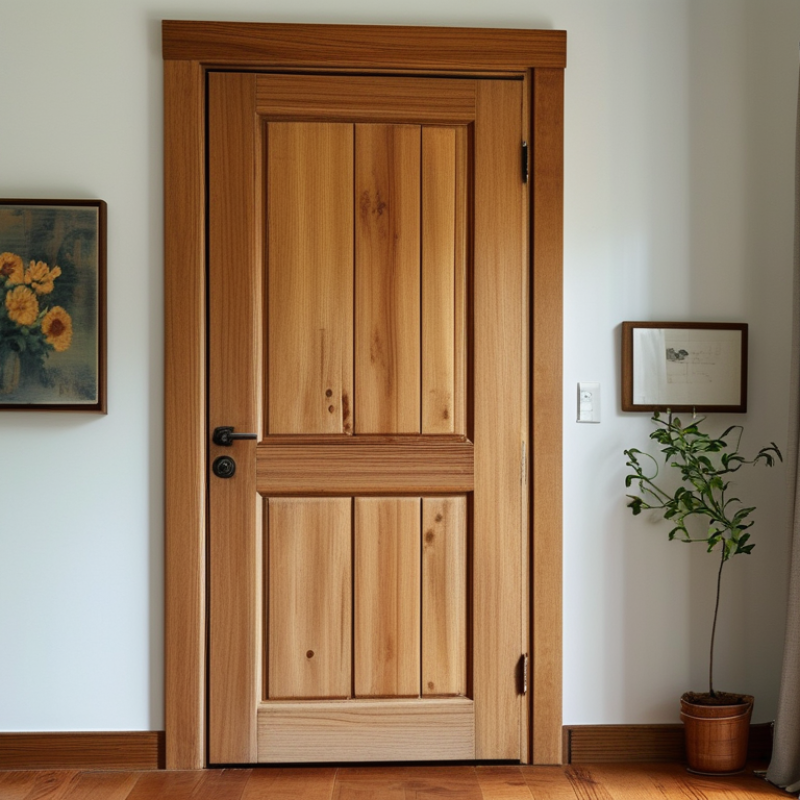
Wood is a natural material that responds dynamically to environmental changes. In summer, humidity levels often rise significantly. This increase in moisture leads to swelling in wooden doors. The cellular structure of wood absorbs water, causing it to expand.
Research from the Forest Products Laboratory shows that wood can absorb up to 15% of its weight in moisture in high-humidity conditions. This phenomenon occurs as the wood fibers swell, increasing door thickness. When wooden doors swell, they may stick or become difficult to close. Potential frustrations arise when doors remain partially open or damaged from improper handling.
Understanding the fundamentals of wood structure can help homeowners manage these issues. Notably, wood is composed of cellulose, hemicellulose, and lignin. Each of these components reacts differently to moisture levels. Surprisingly, some types of wood are more resistant to swelling than others. This variability suggests that homeowners should consider their environment and material choice. Regular maintenance can also play a critical role in minimizing these summer-related problems.
Humidity and temperature greatly affect wooden doors. In summer, higher humidity levels can cause wood to absorb moisture. This leads to swelling. The wood fibers expand as they take in water. The door may not fit well in its frame. This can make it hard to open or close smoothly.
Temperature also plays a crucial role. Warm air can increase the rate of moisture absorption. As temperatures rise, the wood becomes more susceptible to changes. Sunlight can dry out some areas while others remain moist. This inconsistency can cause warping. Homeowners may notice gaps or misalignment as a result.
Managing indoor humidity is essential. Keeping it around 30% to 50% can help. Using dehumidifiers can lessen the impact of summer humidity. However, maintaining that level consistently can be tricky. It requires attention to seasonal changes and home conditions. Regular checks on your wooden doors can prevent larger issues later on.
During the warm summer months, wooden doors can swell, leading to noticeable changes. You might observe difficulty in closing or opening the door smoothly. Gaps between the door and its frame may disappear as the door expands. These signs signal the effects of humidity and temperature on the wood.
Wood absorbs moisture from the air, which changes its shape and size. This expansion can create sticking issues or even damage to the door frame. Cracks and warping may occur if the swelling is significant. Homeowners should monitor their wooden doors closely as summer progresses.
Regular maintenance can help mitigate these issues. Keeping the door dry is essential. A coat of paint or sealant can add a protective layer. However, applying these treatments may require time and patience. Understanding that swelling is a common issue can help manage expectations during the hot months.
As the summer months approach, wooden doors are more likely to swell due to increased humidity and temperature changes. This chart displays the percentage of wooden door swelling observed from May through September, indicating a significant rise during the peak summer months of June and July.
Wooden doors often swell in the summer due to increased humidity. This swelling can create gaps and affect door functionality. Research indicates that wood absorbs moisture from the air. A study from the National Wood Flooring Association highlights that wood's moisture content can vary significantly with seasonal changes. In summer, this can lead to a 10% increase in size.
To prevent swelling, consider applying a sealant. A quality sealant can create a barrier against humidity. Regular maintenance is essential. Keep edges and surfaces sealed; this minimizes moisture absorption. Placing a dehumidifier in your home can also help. Studies suggest that controlling indoor humidity between 30-50% can reduce the risk of wood expansion significantly.
Additionally, ensuring proper ventilation around the door can help. Air circulation will dry out moisture trapped near the door. Even simple adjustments like installing weather stripping can make a difference. However, results may vary. Sometimes, despite best efforts, wood may still swell. Reflect on these variables; not every solution is foolproof.
| Cause of Swelling | Impact Level | Preventive Measure | Effectiveness |
|---|---|---|---|
| High Humidity | High | Use Dehumidifiers | Very Effective |
| Temperature Fluctuations | Medium | Install Weather Stripping | Effective |
| Poor Ventilation | High | Enhance Air Circulation | Very Effective |
| Water Damage | High | Regular Maintenance & Sealing | Effective |
| Inadequate Finishing | Medium | Use Quality Varnish | Moderately Effective |
Wooden doors tend to swell during summer due to increased humidity. This expansion can cause issues, such as sticking or difficulty in closing. According to a report by the Forest Products Laboratory, wood absorbs moisture from the air, leading to dimensional changes. Such changes can vary based on wood type and local climate conditions.
To repair and maintain swollen wooden doors, several solutions can be effective. First, consider sanding down areas that stick. Use fine-grit sandpaper for a smoother finish. Ensure that the door is dry before you start. If swelling persists, adjusting the hinges might help. Tightening or repositioning hinges can create better alignment.
Preventive measures are crucial. Regularly applying a protective sealant can help control moisture absorption. The National Wood Flooring Association states that maintaining indoor humidity levels between 30-50% can significantly reduce wood swells. Creating a balance with a dehumidifier or normal air conditioning can lead to lasting benefits. These solutions promote not only door longevity but also enhance aesthetic appeal.
: Swollen wooden doors may have difficulty opening or closing. You might also see gaps between the door and frame disappear.
Wooden doors absorb moisture from humid air, causing them to expand. This can lead to dimensional changes and sticking issues.
Applying a quality sealant can create a protective barrier against moisture. Regular maintenance is key in minimizing absorption.
Keeping indoor humidity between 30-50% is ideal. This can significantly reduce the risk of wooden door expansion.
Sand down the areas that stick using fine-grit sandpaper. Make sure the door is completely dry before sanding.
Adjusting door hinges may improve alignment. Tightening or repositioning them can alleviate sticking issues.
Yes, installing weather stripping can improve air circulation. It helps to keep moisture from settling near the door.
Despite taking precautions, wood may still swell due to environmental factors. Reflect on different variables that can cause issues.
Regular monitoring is essential as summer progresses. Small changes can quickly lead to bigger problems if not addressed.
Regular maintenance not only extends door life but also enhances its aesthetic appeal. This can save on future repair costs.
During the warmer months, many homeowners find themselves asking, "Why is my wooden door swelling in summer?" This phenomenon can primarily be attributed to the natural structure of wood and its tendency to absorb moisture from the air. As humidity levels rise and temperatures increase, wooden doors often expand, leading to noticeable signs of swelling such as difficulty in opening or closing the door properly.
To mitigate this problem, it's essential to understand the impact of humidity and temperature on wood. Preventive measures, such as maintaining consistent indoor conditions and applying protective finishes, can help reduce the likelihood of swelling. Additionally, if a door becomes swollen, there are various repair and maintenance solutions available, such as sanding down the areas of expansion or adjusting hinges to restore functionality. By being proactive, homeowners can effectively manage the challenges posed by moisture and temperature fluctuations on their wooden doors.

Weston Door