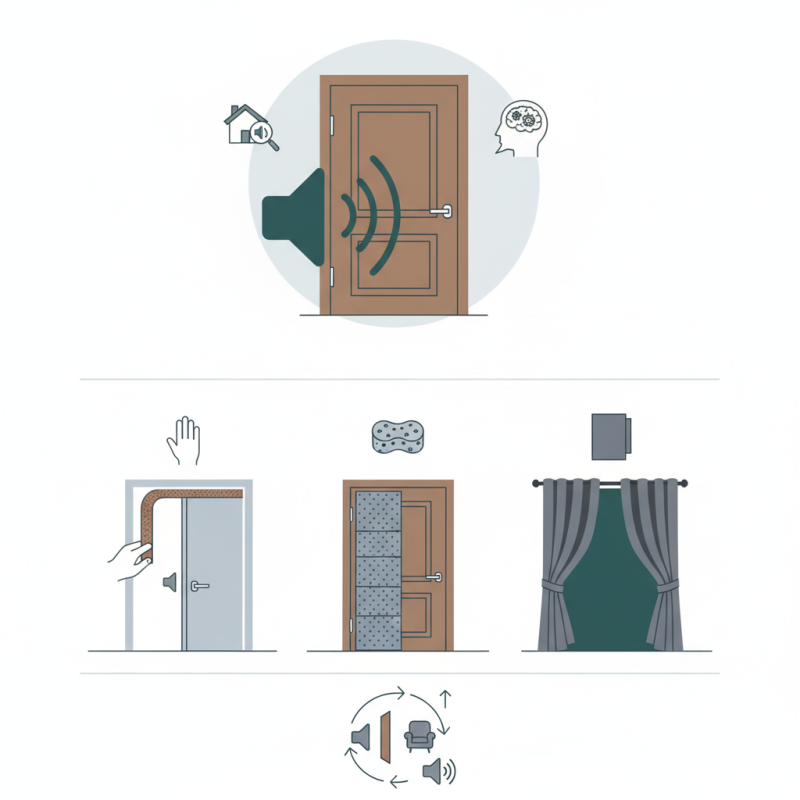
Creating a quiet workspace in a home office can be challenging, especially with wooden doors that allow noise to seep through. According to the Acoustical Society of America, soundproofing is essential for improving productivity and concentration. As noted by acoustics expert Dr. Emily Rosen, "A well-soundproofed space can dramatically enhance one's ability to focus." Understanding "how to soundproof a wooden door for a home office" is crucial for anyone seeking a peaceful work environment.
Numerous methods exist to enhance the soundproofing of wooden doors. From using weatherstripping to adding sound-absorbing materials, each approach can significantly reduce noise levels. Research shows that nearly 70% of remote workers report distractions from household noises, casting doubt on their productivity. It's essential to assess the effectiveness of each method, as what works for one person may not work for another.
Creating an optimal workspace requires a combination of effective soundproofing techniques and personal adjustments. The journey to a quieter home office may involve trial and error. While some solutions are straightforward, others may require more thoughtful investment and planning. Balancing efficacy and practicality will help ensure that your home office meets your soundproofing needs.
Choosing the right materials for soundproofing a wooden door is essential for creating a quiet home office. Mass-loaded vinyl is a popular choice. It adds weight to the door, making it harder for sound to pass through. Acoustic panels can also be effective. They absorb sound energy, reducing noise transmission.
Foam strips can seal gaps around the door. These gaps allow sound to leak in, defeating your soundproofing efforts. Installing door sweeps at the bottom is another practical move. They fit snugly against the floor, blocking unwanted noise.
Wooden doors can benefit from additional layers. Adding a layer of plywood can enhance sound insulation. However, it's important to maintain balance. Too much weight can cause stress on hinges. Reflect on the door's existing structure before making changes. Proper planning ensures effective soundproofing while avoiding potential pitfalls.
Sound isolation is essential for a home office, especially with a wooden door. Sealing gaps and cracks plays a crucial role in soundproofing. According to a study by the Acoustical Society of America, up to 70% of sound can seep through small openings. Therefore, addressing these gaps is a strategic step in achieving a quieter workspace.
Common areas that require attention include the edges, top, and bottom of the door. Acoustic seals or weatherstripping materials can be applied effectively to these areas. This simple addition can significantly reduce noise interruptions. Additionally, you can install a door sweep at the bottom. This helps block sound from entering underneath. Research shows that these measures can lower sound transmission by approximately 20%.
It’s important to consider that not every gap will produce the same results. Some may require multiple solutions for effective soundproofing. Regular inspections are also necessary to maintain seals. Over time, wear and tear can reduce their effectiveness. Implementing routine checks can enhance your sound isolation efforts and create a more productive home office environment.
When soundproofing a wooden door, adding mass can significantly enhance noise reduction. A heavier door absorbs sound waves better than a lightweight one. Consider using solid wood instead of hollow-core options. Adding materials such as mass-loaded vinyl or soundproofing panels can be effective too. These products add weight while also absorbing sound.
It's essential to ensure that the added materials fit well and are securely attached. This prevents gaps that can allow noise to seep through. Sometimes, even a simple change like installing a thicker door can make a noticeable difference. However, it may not fit every existing door frame.
Regular doors can also benefit from additional layers. For instance, hanging heavy drapes or installing a solid-core door slab can improve sound isolation. While these methods are not foolproof, they often lead to quieter spaces. Experimenting with different materials may yield better results. Keep an open mind, and adjust your approach as needed. Each home presents unique challenges for soundproofing solutions.
When soundproofing a wooden door for your home office, installing weatherstripping and door sweeps is crucial. These materials can significantly reduce sound infiltration. According to a report from the National Institute of Building Sciences, properly sealed doors can enhance sound attenuation by up to 30%. This is particularly important for those working in noisy environments.
Weatherstripping creates a tight seal around the door edges. It helps block out drafts and unwanted noise. Various materials are available, such as foam, rubber, and vinyl. Each material has different insulation properties, so choosing one that suits your needs is essential. Door sweeps, on the other hand, cover the gap at the bottom of the door. They prevent sound from sneaking through when the door is closed. A well-fitted door sweep can improve acoustic performance significantly.
However, not all installations will be flawless. Some weatherstripping may wear down over time or lose its adhesive properties. Regular checks are necessary to maintain effectiveness. Customers often report mixed results in achieving complete soundproofing. It’s important to remember that while these methods reduce noise, they may not eliminate it entirely. The investment in quality materials, combined with proper installation, will yield the best results for a quieter workspace.
Soundproofing a wooden door can greatly enhance the tranquility of a home office. One effective method is utilizing soundproofing curtains or panels. These specially designed fabrics can absorb sound waves, reducing the noise that enters your workspace. According to the Acoustical Society of America, heavy, dense materials can decrease sound transmission by up to 70%. This statistic underscores the importance of selecting the right materials to achieve effective soundproofing.
Soundproofing curtains come in various thicknesses. Thick, multi-layered curtains provide better sound absorption compared to standard options. Installing these curtains is an easy solution for many homeowners. It's important to cover the entire door frame for maximum effectiveness. In a recent study, soundproofing curtains reduced ambient noise by an average of 22 decibels in office settings, creating a noticeably quieter environment.
While these methods are effective, they may not completely eliminate sound. Some users report that lower frequencies still penetrate through, making it a challenge during noisy hours. Regular monitoring of your home office's acoustic environment can help address persistent noise issues. Experimenting with different curtain types and materials can lead to improved results over time. Finding the right balance between aesthetics and functionality is key.
: A heavier door absorbs sound waves better than a lighter one. Solid wood is recommended over hollow options.
Materials like mass-loaded vinyl and soundproofing panels can effectively increase a door's weight and absorb sound.
Proper fit prevents gaps that allow noise to seep through, ensuring more effective soundproofing.
Yes, a thicker door can make a noticeable difference. However, it may not fit every door frame.
These fabrics can significantly absorb sound waves, reducing noise in spaces like home offices.
They can decrease sound transmission by up to 70%, improving noise isolation significantly.
Cover the entire door frame for maximum effectiveness. Thickness matters for better sound absorption.
No, they may not fully eliminate sound, especially lower frequencies that can still penetrate.
Regularly monitor noise levels and experiment with different materials and curtain types for better outcomes.
Finding the right balance between aesthetics and functionality can be tricky but is essential for success.
To soundproof a wooden door for a home office, it is essential to consider several effective strategies. First, choosing the right materials is crucial for optimal sound isolation. Sealing any gaps and cracks around the door is a fundamental step that greatly enhances soundproofing. Additionally, adding mass to the door, such as using heavier materials, can significantly reduce noise transmission.
Furthermore, installing weatherstripping and door sweeps ensures a tighter seal, preventing sound leaks. Lastly, incorporating soundproofing curtains or panels can provide extra absorption of sound, creating a quieter workspace. By following these steps on how to soundproof a wooden door for a home office, you can create a more serene and productive environment.
Weston Door