How to Waterproof a Solid Wood Exterior Door Effectively?

Time:2026-07-28 Author:Aria
0%

Waterproofing a solid wood exterior door is crucial for its longevity and performance. A 2021 report by the Home Improvement Research Institute highlights that nearly 70% of homeowners experience water-related issues with wooden doors. Understanding how to waterproof a solid wood exterior door can significantly reduce the risk of warping and mold growth.

Solid wood doors, while beautiful and sturdy, are vulnerable to moisture damage. Without proper waterproofing, the wood can crack, split, and rot. Many homeowners overlook this step, believing a simple coat of paint or stain is sufficient. However, a study showed that only 30% of people apply effective waterproofing measures. This statistic reveals a gap in knowledge that can lead to costly repairs.

Professional contractors recommend using specialized sealing products designed for exterior wood. Many products provide a protective barrier against water and UV rays. It’s essential to choose high-quality stains and sealers that suit your climate and door type. Don't underestimate the importance of consistent maintenance either. Periodically checking and reapplying waterproofing solutions can prevent extensive damage, preserving the door's aesthetics and functionality for years.
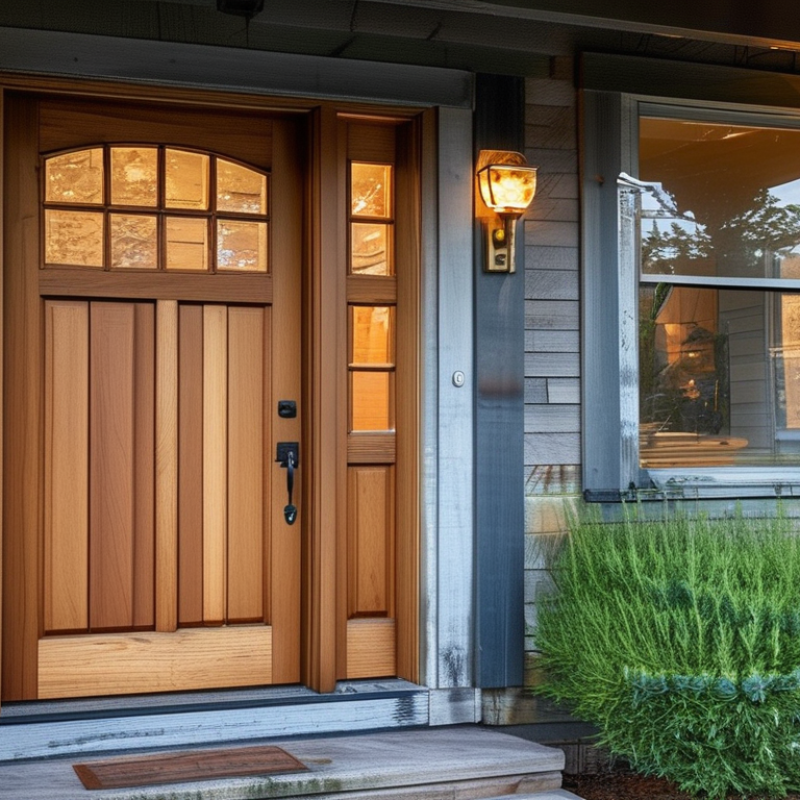
How to Waterproof a Solid Wood Exterior Door Effectively?

Choosing the Right Wood for Exterior Doors and Its Waterproofing Needs

When selecting wood for exterior doors, it’s crucial to choose species that resist moisture. Hardwoods such as oak or mahogany naturally repel water. They hold up well against the elements. However, even the best wood can suffer if not treated properly. Water can still find its way into cracks, leading to warping and rot over time.

Applying a suitable waterproof finish is essential. Many might assume a single coat suffices, but that’s often not the case. Multiple layers of a high-quality sealant can create a robust barrier against water. Regular maintenance is also needed. Checking for signs of wear helps in early detection of potential issues.

Not all wood reflects the same waterproofing needs. For example, softer woods like pine may require more frequent treatment. Reflecting on these factors can save you trouble down the line. Choosing the right wood and applying protective measures can keep your door looking great for years.

Preparing the Door Surface for Waterproofing Treatment

Preparing a solid wood exterior door for waterproofing requires careful attention. Start by cleaning the surface thoroughly. Remove dirt and old finishes using a gentle cleanser. A soft cloth or sponge can be effective. For tough spots, consider fine-grit sandpaper. Ensure you sand along the grain to avoid scratches.

Tip: Always wear safety goggles and a mask while sanding. This protects you from dust. It’s crucial to maintain a clean workspace.

Next, inspect the door for any cracks or damage. Small gaps can be filled using wood filler. Larger cracks might need a professional's touch. Once repairs are complete, sand the area again for a smooth finish. It is important to remove all dust to ensure proper adhesion of the waterproofing agent.

Tip: Check the door in different light conditions. This helps spot imperfections. Remember, water can seep through tiny gaps, so precision matters.

Lastly, ensure the wood is completely dry before applying any waterproofing treatment. Rushing this step may lead to mold growth. Reflect on the successes of your preparation but also consider where you could improve for next time. Every detail counts in the waterproofing process.

Applying Waterproof Sealants: Techniques and Best Practices

Applying a waterproof sealant to a solid wood exterior door is essential for preserving its beauty and integrity. Start by selecting a high-quality sealant suitable for wood. Ensure you have a clean, dry surface before application. This involves sanding the door to remove any old finish and dirt. Use a vacuum or cloth to eliminate dust particles.

Tips: Test the sealant on a small area first. This helps ensure compatibility and allows for adjustments. Pay attention to weather conditions. Humidity and temperature can impact how the sealant adheres.

When applying the sealant, use a brush or roller for even coverage. Work in sections to ensure complete saturation. Be generous around edges and seams. It's critical not to overlook corners, as water often pools there. After application, let it cure fully according to the manufacturer's instructions.

Tips: Avoid thin applications, which may not provide proper protection. Consider reapplying the sealant every few years, especially in areas with extreme weather. Keeping an eye on the door's condition can help you spot any signs of wear early.

Maintaining Your Waterproofed Door: Tips for Longevity

Maintaining a waterproofed solid wood exterior door requires ongoing care and attention. Regular inspection is essential. Look for signs of water damage or peeling finish. This proactive approach helps you catch problems early. You should also clean the door periodically. Use a soft cloth and mild soap solution to remove dirt. Abrasive cleaners can damage the finish, so avoid them.

Reapply waterproofing treatments as needed, typically once a year. Weather conditions can impact the longevity of treatments. Rain, sun, and snow all take their toll. Pay close attention during seasonal changes. Additionally, the door's location matters. If it gets direct sunlight, more frequent maintenance may be required.

Wood is a natural material and can react unpredictably to moisture. Be mindful of humidity levels outside. High humidity may lead to warping. If it does, you might need to adjust door hinges. This adjustment ensures proper sealing against moisture. Maintaining a solid wood exterior door is an ongoing journey. Regular care can keep it looking great and functioning well.

Waterproofing Effectiveness of Different Wood Treatments

Regular Inspection and Reapplication: Ensuring Continued Protection

Regular inspection and reapplication of waterproofing treatments are essential for solid wood exterior doors. Wood is naturally porous, making it susceptible to moisture damage. According to the American Wood Council, untreated wood can absorb moisture, leading to warping and mold growth. A well-maintained waterproof finish can last up to five years but requires periodic evaluations to ensure effectiveness.


Inspect your door every season, paying close attention to areas where water may pool. Signs of wear include peeling paint, discoloration, and soft spots. These indicators suggest that reapplication is necessary. A study by the Forest Products Laboratory revealed that doors treated with consistent maintenance last much longer than neglected ones. In fact, proper care can extend their lifespan by over 50%.


When reapplying waterproof coatings, choose a suitable method based on your door's condition. Consider using brushes for precise application. Avoid spray methods that can miss corners. Take your time to ensure even coverage. A small oversight today can lead to larger issues later, from insect infestations to structural weakness. Regular attention to your door's finish not only enhances its appearance but also significantly fortifies its durability against the elements.

FAQS

: What type of wood is best for exterior doors?

: Hardwoods like oak or mahogany are ideal. They resist moisture effectively.

Do I need to treat hardwood doors?

Yes, even hardwoods require treatment. Water can penetrate cracks and cause damage.

How many coats of sealant should I apply?

Multiple layers are necessary. A single coat often doesn’t provide adequate protection.

What should I check before applying sealant?

Ensure the door is clean and dry. Sanding and dust removal are important steps.

How do weather conditions affect sealant application?

Humidity and temperature can impact adhesion. It's best to apply in mild weather.

What areas need extra attention during sealant application?

Focus on edges and seams. Water tends to pool in these areas.

How often should I reapply the sealant?

Every few years is recommended. Frequent weather changes may require more regular checks.

How can I tell if my door needs maintenance?

Look for signs of wear or damage. Early detection can save you trouble later.

Is it okay to apply a thin coat of sealant?

No, thin applications may lack effectiveness. Always aim for generous coverage.

What if I find marks after the sealant dries?

Test on a small area before application. Adjust your method as needed for better results.

Conclusion

When considering how to waterproof a solid wood exterior door, it’s essential to start by choosing the right type of wood, as different species have varying levels of natural resistance to moisture. Once the appropriate wood is selected, preparing the door surface through thorough cleaning and sanding will ensure optimal adhesion for waterproofing treatments. Applying high-quality waterproof sealants using effective techniques is crucial for creating a protective barrier against water damage.

To maintain your waterproofed door for longevity, regular inspections are necessary to identify any wear or damage, allowing for timely reapplication of sealants. By understanding how to waterproof a solid wood exterior door effectively and following best practices for maintenance, homeowners can ensure their doors remain beautiful and functional for years to come.

Aria

Aria

Aria is a dedicated marketing professional with a deep passion for innovative strategies and a keen understanding of our company's product offerings. With a wealth of experience in the industry, Aria excels at crafting engaging content that highlights the unique features and benefits of our......